 Skip to content
How to Plan a Home Renovation: A Practical Step-by-Step Guide
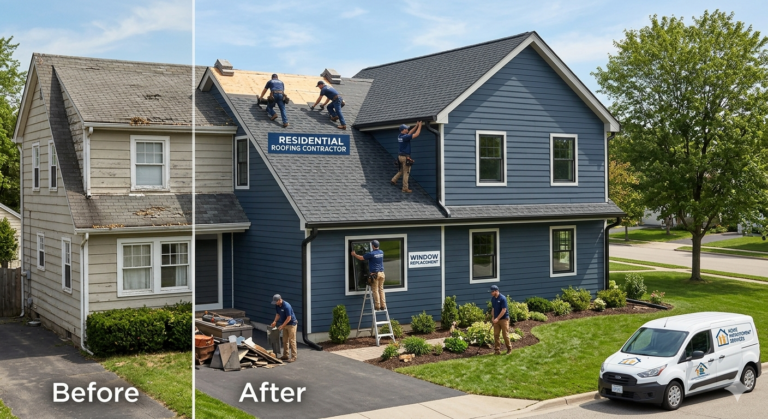
Planning a home renovation can feel overwhelming, but with a solid renovation plan and the right team you can transform your house efficiently and add value to your home. This guide explainshow to plan a home renovation, from early stages of planning to hiring a contractor and completing the whole project. Whether you’re redoing a kitchen and bathrooms, updating your exterior with vinyl siding installation, or replacing windows, these steps will help keep your renovation on track and give you peace of mind.
Why Planning Matters: Benefits of a Solid Renovation Plan
A thoughtful plan reduces surprises, controls the renovation budget, and helps you hire the right contractor. A clear scope of work, a realistic budget, and a design plan make the remodel project more likely to be a successful renovation that adds value to your home and improves daily life. Proper planning also supports energy efficiency, creating a healthy home, and better air quality during and after the remodel.
Step 1: Define Goals and Scope of Work
Start by asking what you want the remodel to accomplish. Are you improving function, increasing resale value, or creating a custom house that fits your lifestyle? Define goals room by room: kitchen layout, bathroom renovation ideas, or a whole house redo. Creating a floor plan and listing must-haves vs. nice-to-haves will help you craft the scope of work.
Questions to answer
- What rooms will you remodel? (kitchen, bathrooms, home office, whole house)
- Are you focused on cosmetic updates or structural changes?
- Do you plan to live in the home during the renovation or plan to move?
- What is the desired timeline and final outcome?
Step 2: Set a Realistic Home Renovation Budget
One of the most important parts of planning a home renovation is creating a renovation budget. Start with estimates for materials, labor, design fees, permits, and a contingency fund for change orders. A realistic budget accounts for the complexity of the project, whether you’re replacing fixtures and appliances or adding custom cabinets and plumbing changes.
Budget tips
- Use room-by-room cost breakdowns to estimate expenses.
- Include costs for window installation services, best replacement windows, and seamless gutter installation if exterior work is planned.
- Set aside 10–20% for unexpected costs or change order requests.
- Consider long-term savings from energy efficiency upgrades like new windows, improved heating and cooling, or insulation.
Step 3: Create a Design Plan and Floor Plan
A design plan turns your goals into actionable drawings and selections. Creating a floor plan helps visualize traffic flow, appliance placement, and cabinet layouts. An interior designer or the right contractor can help refine the design plan so it’s buildable and meets local code. Clear drawings reduce confusion and provide a better basis for accurate estimates.
Design checklist
- Draw a basic floor plan and mark structural walls, plumbing, and electrical locations.
- Choose major fixtures and appliances early to ensure fit.
- Select finishes and cabinet styles to determine material costs.
- Consider long-term needs: accessibility, family growth, and resale appeal.
Step 4: Hire the Right Contractor and Team
Choosing the right contractor is essential. Look for a properly licensed and insured contractor with experience in your type of project. Check references, view portfolio work, and confirm they provide a clear scope of work and written contract. For specialized tasks, find reliable trades like a residential roofing contractor, vinyl siding contractor, or window replacement services.
How to choose a contractor
- Ask for referrals and read reviews specific to Connecticut home renovation if you’re local.
- Request multiple bids and compare detailed scopes rather than price alone.
- Confirm they will manage permits and coordinate subcontractors as your project manager.
- Make sure the contractor has proper insurance and licensing for your area.
Step 5: Prepare Your Home and Plan for Disruption
Preparing your home for renovation reduces stress. Decide where the construction zone will be and protect non-work areas with dust barriers. Move valuables and create a temporary kitchen if remodeling the kitchen. Prepare pets and family members for noise and schedule adjustments. A clear working relationship with the contractor helps minimize surprises and provides peace of mind.
Step 6: Obtain Permits and Finalize Contracts
Permits are required for many remodel projects. Your contractor should handle permit applications or guide you through the process. Finalize the contract to include the scope of work, payment schedule, warranty information, and a procedure for change orders. Clear contracts reduce disputes and make the renovation process smoother.
Step 7: Manage the Project and Communication
Effective communication keeps the renovation on track. Establish a single point of contact, often the project manager, and set regular check-ins. Track the schedule, budget, and any change orders. Good documentation helps you monitor progress and ensures the whole project aligns with your renovation plan.
Daily management tips
- Keep decisions in writing and sign off on change orders to control costs.
- Request progress photos and updates from the contractor.
- Address issues quickly to avoid delays.
- Verify milestones before releasing major payments.
Step 8: Focus on Quality: Materials and Craftsmanship
Investing in quality materials and workmanship pays off in durability and future resale value. For exterior updates, select the best replacement windows and trusted Vinyl siding installation services. Hiring experienced trades ensures proper installation of house vinyl siding, seamless gutter installation, and residential roofing work. Quality installations improve energy efficiency and add value to your home.
Step 9: Final Walkthrough and Completion
When the remodel project nears completion, perform a final walkthrough with your contractor. Check that fixtures, appliances, cabinets, and finishes match your design plan. Address any punch list items promptly. Once everything is complete, obtain lien releases, warranties, and final permit closeouts. Celebrate your successful renovation when the renovation is complete.
How to Plan a Home Renovation for Homes in Connecticut
Roof
When planning a roof renovation as part of how to plan a home renovation, start with a thorough inspection to identify damaged shingles, flashing, and underlayment. Choose durable materials suited to your climate, obtain multiple quotes, verify contractor licensing and warranties, and schedule work for dry weather to avoid delays and additional costs.
Rain Gutters
Gutter planning should include sizing for roof runoff, proper downspout placement, and slope to ensure efficient drainage. Consider seamless gutters, protective screens, and corrosion-resistant materials to reduce maintenance. Coordinate gutter installation with roofing to prevent water intrusion and ensure flashing and gutter attachments are sealed correctly.
Vinyl Siding
For vinyl siding, assess wall sheathing, insulation needs, and trim details before installation. Select quality siding with UV resistance and proper thickness, plan for ventilation and moisture barriers, and allow for expansion gaps. Get measurements and quotes, confirm color and style samples, and schedule installation after roofing and gutter work to avoid damage to new siding.
Exterior
Exterior improvements like vinyl siding installation, window replacement services, and seamless gutter installation improve curb appeal and the value of your home. Work with a Vinyl siding contractor or residential roofing contractor who understands weather, air quality concerns, and local conditions.
Energy Efficiency and Healthy Home Choices
Incorporate energy-efficient windows, insulation, and HVAC upgrades during your renovation to reduce long-term operating costs. Creating a healthy home includes proper ventilation, low-VOC materials, and attention to air quality. These choices enhance comfort and often increase the value to your home.
When to Hire an Interior Designer or Architect
For complex remodels or custom house designs, an interior designer or architect can help create a cohesive home design and detailed drawings. They help with permit-ready plans and provide a higher level of design plan coordination. This is especially valuable for whole house renovations or projects that change structural elements.
Common Mistakes to Avoid
- Skipping a realistic renovation budget, underestimating costs is the top mistake.
- Not hiring the right contractor, always checking credentials and references.
- Failing to plan for change orders, have contingency funds and clear approval processes.
- Rushing design and material selections, decisions made on the fly can derail the schedule.
How Creative Home Improvement LLC Can Help
Creative Home Improvement LLC provides comprehensive home remodeling services, from initial renovation guide advice through final walkthroughs. Whether you need home remodeling services for a kitchen, bathroom renovation, window replacement services, or if the question is that how long does vinyl siding last, hiring the right team simplifies the renovation process. Their experienced contractors act as project managers, coordinate subcontractors, and help ensure projects are properly licensed and insured for your peace of mind.
Final Checklist: Steps to Plan a Home Renovation
- Define goals and create a scope of work.
- Create a realistic renovation budget with contingency.
- Develop a design plan and floor plan for each room.
- Hire a properly licensed and insured contractor with good references.
- Obtain permits and finalize written contracts with clear change order procedures.
- Prepare your home and keep communication open with the project manager.
- Monitor quality, milestones, and budget throughout the renovation process.
- Complete a final walkthrough, collect warranties, and close permits.
Following these steps to plan a home renovation will help ensure your remodel project runs smoothly and adds lasting value to your property. With careful planning, the right team, and attention to quality, your renovation can be a successful renovation that enhances both comfort and resale value.
For professional help with planning and executing your next remodel project, consider contacting Creative Home Improvement LLC. Their experience with home remodels, window replacement services, vinyl siding installation services, and seamless gutter installation can provide the support you need from the early stages of planning through project completion.
Table of Contents
Latest Posts


Contact us
FAQs
How do I plan a home renovation?
Start by setting your goals, creating a budget, and making a clear design plan. Then hire a qualified contractor to help bring your vision to life.
How much should I budget for a renovation?
Costs vary by project, but it’s smart to include labor, materials, permits, and an extra 10–20% for unexpected expenses.
Do I need permits for my renovation?
Look for a licensed and insured contractor with good reviews, relevant experience, and a detailed written estimate before starting the project.
How do I choose the right contractor?
Clean it annually, inspect for damage, and repair issues quickly. Proper gutter drainage and caulking also help prevent long-term problems.
How can I keep my renovation on schedule?
Plan ahead, make design decisions early, communicate regularly with your contractor, and be prepared for minor changes during the project.