 Skip to content
How Metal Roof vs Shingles Cost Compares Before You Decide on a New Roof
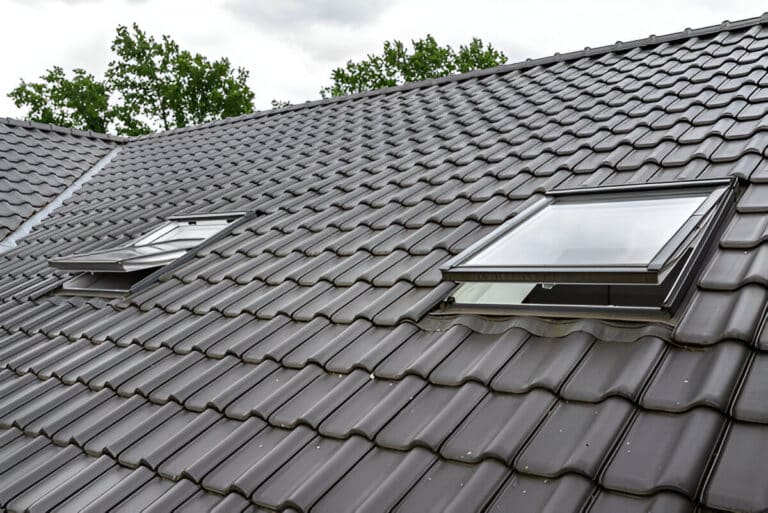
Choosing the right roof for your home is one of the most important decisions you will make about your property’s exterior. This guide from Creative Home Improvement LLC in Connecticut walks you through the metal roof vs shingles cost, roof lifespan comparison, roofing maintenance cost, roof installation charges, and how to think about long term roofing investment. We use simple language and clear headings so you can make an informed decision about the top covering of your building.
What does the meaning of roof include?
The roof is the top of a building that protects the interior from weather elements such as rainstorm, snowfall, sun’s rays, and wind. Since prehistoric times, roofs have been central to domestic architecture, evolving from thatch and wood shakes to modern roofing materials like asphalt shingles, metal, concrete tiles, and slate roof systems. A roof system includes the roof covering, underlayment, roof deck, drip edge, ventilation like ridge vent, and waterproofing material to prevent water seepage.
Common roofing types and roof structure
Understanding roofing types helps when comparing metal roof vs shingle roofing expenses. Common roof structures include:
- Gabled and gabled variants such as gable and hipped roofs.
- Sloping roof and steeply pitched roofs, which help water runoff.
- Flat roof and dome or vault styles used on some homes and commercial buildings.
- Mansard and more decorative domestic architecture shapes.
Each type of roof has a different application and will affect roof installation charges and long term roofing investment decisions.
Shingle roofs: Types, costs, and benefits
Asphalt shingles are the most common roofing materials for residential roof projects across the United States. They offer easy application, a variety of textures, and are generally less costly than other options. Here are the main types:
Three-tab shingles
Three-tab shingles are flat, lightweight, and less costly up front. They are thinner and have a more uniform appearance.
Architectural shingles and laminate shingles
Architectural or laminate shingles like those from Owens Corning or GAF offer more texture and a layered look. They are thicker than three-tab and provide better wind resistance and a longer warranty.
Other shingle materials
Wood shakes give a classic look but require more maintenance. Slate roof and concrete tiles are durable but heavier and costlier to install due to reinforced concrete or thicker roof deck requirements.
Shingle roof lifespan and maintenance
Typical asphalt shingle life ranges from 15 to 30 years depending on quality, ventilation, slope, and weather exposure. Architectural lifetime shingles can last longer, sometimes up to 40 years under ideal conditions. Regular roofing maintenance cost for shingles includes inspections, replacing old shingles, fixing seepage at planes meet (where planes meet around chimneys), and ensuring gutters and eaves are clear to prevent water runoff and drip line issues.
Metal Roofs: Types, Costs, and Benefits
Metal roofing systems include sheet metal panels, corrugated panels, and standing seam designs. These roofing materials are available in steel, aluminum, copper, and zinc alloys. Homeowners often choose them because they are lightweight, highly durable, and resistant to water penetration. Their strong, impermeable surface helps prevent leaks and protects the home from moisture damage. Another major advantage is their long lifespan with minimal maintenance. Most metal roofing systems last between 40 and 70 years, while premium materials with protective coatings can perform even longer. They handle extremes of temperature, heavy rainfall, and snow. Metal reflects the sun’s heat, which can reduce cooling costs and improve a building’s energy performance.
Metal roof maintenance
Maintenance for metal roof systems is generally lower than for shingles. Occasional inspections for fastener integrity, checking flashings around chimneys and penetrations, and clearing debris from valleys and gutters is usually enough. Metal roofs are resistant to old shingles deterioration and do not suffer from granular loss like asphalt shingles.
Cost comparison: Metal roof vs shingles cost
When evaluating metal roof vs shingle roofing expenses, consider both initial roof installation charges and long-term costs.
Initial installation charges
- Asphalt shingles: The upfront expense is usually less. Three-tab shingles and basic asphalt installations are the least costly. Architectural or lifetime shingles increase the price but offer better longevity and warranty.
- Metal roofs: Initial installation charges are higher. Sheet metal or corrugate panels can be more affordable, while standing seam metal and premium metals like copper increase costs. Installation requires experienced contractors and sometimes adjustments to the roof deck or sheathe for secure attachment.
Roofing maintenance cost and replacements
- Asphalt shingle roofs often need more frequent repairs, especially after severe rainstorm or wind events. They may require replacement in 15–30 years depending on manufacturer and installation quality. Warranty coverage varies among roofing manufacturers such as Owens Corning and GAF; check what is covered for wind, hail, and workmanship.
- Metal roofs generally have lower ongoing maintenance cost and can avoid early replacement. Although more expensive up front, they are a strong long term roofing investment when you factor in avoided replacement costs and energy savings due to solar reflectivity.
Roof lifespan comparison and long term value
Comparing roof lifespan is critical for homeowners planning an investment. A typical lifespan comparison:
- Three-tab asphalt shingles: 15–20 years
- Architectural or laminate asphalt shingles: 20–40 years
- Metal roof (steel/aluminum): 40–70 years
- Slate roof and concrete tiles: 50–100+ years
When you assess long term roofing investment, factor in warranty lengths, anticipated maintenance, potential for seepage or water damage, and how roof replacement will impact the rest of your building, such as siding, gutters, and ridge vent performance.
How weather and climate affect costs in Connecticut
Connecticut experiences rainfall, snow, freeze-thaw cycles, and sun’s heat across seasons. These conditions influence roofing types:
- Shingles can experience thermal cycling, granule loss, and wind damage causing old shingles to fail earlier.
- Metal roofs handle snow and rainfall well due to rapid runoff and impermeability, reducing the risk of seepage and ice dams on steeply pitched roofs.
- Roof ventilation, proper underlayment, and correct slope help prolong any roof system’s life.
Energy efficiency and environmental factors
Metal roofs reflect sunlight and can lower cooling costs. Green roofs with soil and vegetation add insulation and provide stormwater benefits on flat roof installations. Both strategies affect long term roofing investment by reducing operating costs.
Installation considerations and contractor selection
Roof installation charges vary by project complexity. Important considerations include:
- Roof deck condition: A sheathe in poor condition will increase costs because the deck must be repaired or replaced.
- Roof slope: Steeply pitched roofs or complex shapes like mansard, gabled, or hipped forms require more labor and safety measures.
- Flashing and waterproofing: Around chimneys and valleys, proper flashing and waterproofing material prevent seepage and water runoff issues.
- Ventilation: Ridge vent, soffit vents, and proper eave design help maintain roof system health.
Choose experienced roofing contractors, ask about roofing products they use, verify warranties, and request multiple estimates to compare roof installation charges and long term roofing investment outcomes.
Warranties and roofing manufacturers
Warranties vary by roofing manufacturers and product lines. Owens Corning and GAF are among the leading brands for asphalt shingles. For metal roofing, warranties depend on metal type and coating. Warranties can cover materials, labor, and sometimes appearance or color fading over time. Always read warranty terms carefully to know what is covered and what maintenance is required to keep the warranty in force.
Practical tips to reduce roofing expenses
- Inspect and maintain your roof regularly to prevent costly repairs and extend life.
- Choose high-quality underlayment and proper ventilation to protect against temperature extremes and moisture buildup.
- Consider a higher up-front cost for materials like architectural shingles or metal to save money over decades.
- Bundle roofing work with other exterior improvements to reduce overall labor expenses if you plan to replace siding or gutters.
When to repair and when to replace
Small leaks, damaged flashing, or isolated shingle issues can often be repaired. But if you are seeing widespread wear, old shingles curling, multiple leaks, or repeated repairs, replacing the roof may be the better long term roofing investment. A new roof restores protection to the top of your building and can increase property value.
Making the decision: metal roof vs shingle roofing expenses
Your choice depends on budget, aesthetics, roof type, and long-term priorities. Use this quick checklist:
- Budget for initial roof installation charges and consider financing if needed.
- Compare expected lifespan and warranty length to estimate lifetime cost.
- Factor in maintenance costs, energy savings, and impact on resale value.
- Consider the roof’s slope, deck condition, and architectural compatibility with your home.
In many cases, a metal roof is a smart long term roofing investment despite higher initial costs. For homeowners focused on lower up-front expense and familiar aesthetics, modern architectural shingles provide a balance of cost and performance.
Why hire a local Connecticut roofer like Creative Home Improvement LLC?
Local contractors understand Connecticut’s weather patterns, code requirements, and the best practices to prevent water seepage, manage runoff, and ensure proper ventilation. Companies like Creative Home Improvement evaluate your roof structure, recommend the right roofing system and materials, and provide accurate installation and maintenance cost estimates. They also explain warranty coverage and help you choose options that fit your roof deck, slope, and your home’s overall style.
Final thoughts
Deciding between metal roof vs shingles cost is not only about sticker price. Consider roof lifespan comparison, roofing maintenance cost, installation charges, and how each option fits your long term roofing investment goals. Whether you choose asphalt shingles, a metal roof, slate, or concrete tiles, proper installation, ventilation, and home maintenance and improvement will determine how well your roof protects your home for years to come.
If you are in Connecticut and planning a new roof or replacement, contact a trusted local contractor to get detailed estimates tailored to your roof’s size, slope, and material choice. A thoughtful approach now will save money and headaches down the road.
Table of Contents
Latest Posts


Contact us
FAQs
Is a metal roof more expensive than asphalt shingles?
Yes. A metal roof usually costs more to install than asphalt shingles. However, it often lasts much longer and may reduce maintenance and energy costs over time.
How long does a metal roof last compared to shingles?
Most metal roofs last between 40 and 70 years, while asphalt shingle roofs typically last 15 to 30 years. The exact lifespan depends on the material, installation quality, and local weather conditions.
Which roof requires less maintenance?
Metal roofs generally require less maintenance than shingle roofs. Regular inspections and clearing debris are usually enough, while shingles may need more frequent repairs or replacements.
Are metal roofs better for Connecticut's weather?
Metal roofs perform well in Connecticut because they handle heavy rain, snow, and freeze-thaw cycles effectively. Proper installation is important for any roofing material to ensure long-lasting performance.
Can I install a metal roof over existing shingles?
In some cases, yes. Whether this is possible depends on your roof’s condition, local building codes, and the recommendations of your roofing contractor. A professional inspection is the best way to determine if it’s an option.