 Skip to content
When Should Gutters Be Replaced? What Connecticut Homeowners Need to Know
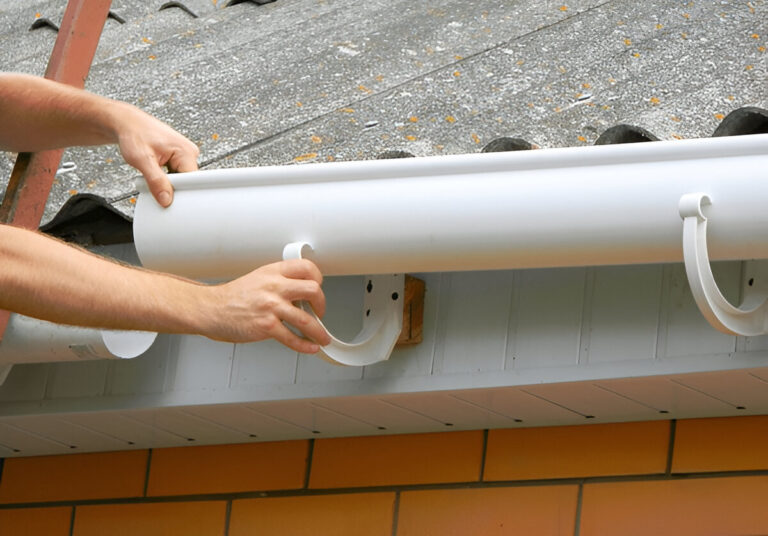
Gutters are one of those parts of your home that are easy to ignore until something goes wrong. They sit up along the roofline doing their job quietly, channeling rainwater and snowmelt away from your walls and foundation without demanding much attention.
But gutters do not last forever. And when they start to fail, the consequences are not limited to the gutters themselves. Water that is not properly directed away from your home can affect your foundation, your siding, your roofline, and your basement, sometimes all at once.
Knowing when should Gutter replacement is one of the most practical things a Connecticut homeowner can understand. It helps you act before the damage spreads and make confident decisions about repair versus full replacement.
What Gutters Actually Do and Why Timing Matters
Before getting into the signs of failure, it helps to understand what your gutters are protecting. A properly functioning gutter system collects water running off the roof and channels it away from the home through downspouts. Without that system working correctly, water runs down the face of your exterior walls, pools at the foundation, saturates the soil around the base of the home, and eventually finds its way into places you do not want it.
The consequences of failed gutters include:
- Foundation settling, cracking, and water intrusion
- Moisture damage behind house vinyl siding and exterior wall cladding
- Rotting fascia boards and soffit
- Basement flooding or persistent dampness
- Mold growth in wall cavities and crawl spaces
- Accelerated deterioration of landscaping and hardscaping near the home
Connecticut’s climate makes all of this more likely than in milder regions. Heavy spring rainfall, summer storms, fall leaf accumulation, and winter ice all put continuous stress on the gutter system. A gutter that might hold up for twenty years in a dry climate may need attention sooner in Shelton.
Acting at the right time, meaning before failure causes downstream damage, is what makes gutter replacement a smart investment rather than an emergency expense.
When to Replace Gutters – The Key Signs to Watch For
The question of when to replace gutters does not always have a clear-cut answer. Some situations call for repair. Others make replacement the only sensible option. The difference usually comes down to the extent of the damage and the overall age and condition of the system.
Here are the signs that point clearly toward replacement rather than repair.
Visible Sagging or Pulling Away From the Fascia
Gutters that sag in the middle or pull away from the fascia board are no longer draining correctly. Water pools in the low points instead of flowing to the downspouts, which accelerates deterioration and adds weight stress to the fascia.
Occasional pulling at a single bracket is a repair. Widespread sagging across multiple sections, or fascia boards that are themselves rotting and no longer holding fasteners securely, is a replacement situation.
Cracks, Holes, or Rust
Small holes in sectional gutters can sometimes be patched, but a system with multiple cracks, visible rust, or holes appearing in more than one location is telling you the material has reached the end of its useful life. Patching one area while the rest of the system continues to deteriorate is not a cost-effective approach.
Seamless gutter installation eliminates many of the joint-failure issues that lead to cracking and leaking in sectional systems, making it the preferred option when replacement becomes necessary.
Persistent Leaking at the Seams
Traditional sectional gutters are joined at multiple points along the run. These seams are the most common failure point in older gutter systems. When seams begin leaking, they can be resealed, but if the same joints are leaking repeatedly despite resealing, or if leaking is occurring at multiple seams simultaneously, replacement is the practical choice.
Water Damage Along the Exterior Walls
If you notice staining, rot, or deterioration along the fascia, soffit, or the upper sections of your house vinyl siding, the gutter system is likely not managing water correctly. Water running over the front edge of a clogged or misaligned gutter runs straight down the face of the exterior wall rather than through the downspout.
This kind of damage to fascia and siding is a strong indicator that the gutter system needs to be assessed and in many cases replaced entirely.
Foundation Issues or Basement Moisture
When water is consistently pooling near the foundation or basement moisture has become a recurring problem, the gutter and downspout system is usually a contributing factor. If the gutters are also showing other signs of age or damage, replacement as part of a broader exterior home remodeling project is often the most effective solution.
Age of the System
Even well-maintained gutters have a finite lifespan. Aluminum gutters, the most common type in Connecticut, typically last twenty to thirty years. Older sectional aluminum systems installed more than two decades ago are reasonable candidates for proactive replacement, particularly if you are planning any other exterior work.
Replacing aging gutters as part of a coordinated home renovation services project, alongside roofing or vinyl siding installation, means you are not coming back to address them separately in a few years.
Gutter Repair vs Replacement – How to Decide
Not every gutter problem requires a full replacement. Understanding gutter repair vs replacement comes down to a few practical questions.
When Repair Makes Sense
Repair is the right call when:
- The damage is limited to a single section or one or two joints
- The overall system is in good condition and relatively recent
- A downspout has disconnected but the gutters themselves are intact
- A single bracket has failed and the fascia behind it is solid
- Minor pitch adjustments are needed to improve drainage
In these cases, targeted repair extends the life of the system without the cost of full replacement.
When Replacement Makes Sense
Replacement is the right call when:
- The system is showing damage in multiple locations simultaneously
- Repeated repairs have not resolved the underlying issues
- The gutters are more than twenty years old and showing widespread wear
- Fascia or soffit damage means the mounting surface itself needs to be replaced
- You are completing other exterior work and want the full system addressed at once
A professional assessment from a qualified contractor will give you an honest answer about which category your gutters fall into. A reliable company will tell you when repair is sufficient rather than pushing replacement unnecessarily.
New Gutter Installation – What the Process Looks Like
If replacement is the right decision, understanding what new gutter installation involves helps you prepare and ask the right questions.
Removal of Existing Gutters
Old gutters are removed fully, including any remaining brackets and fasteners. This allows the contractor to inspect the fascia behind them before anything new is installed.
Fascia Inspection and Repair
Rotted or damaged fascia boards must be replaced before new gutters are installed. Mounting gutters to compromised fascia will result in the same sagging and pulling problems as before. A thorough contractor will not skip this step.
Seamless Gutter Fabrication
Seamless gutters are fabricated on-site using a portable rolling machine that forms continuous lengths from a coil of aluminum. The length is custom-cut to match each run exactly, with seams only at the corners and downspout connections.
This is what makes seamless gutter installation significantly more durable than traditional sectional systems. With no joints along the run, there are no seam failures to develop over time.
Pitch and Positioning
Gutters are installed with a slight pitch toward the downspouts to ensure water drains completely rather than sitting stagnant. Correct pitch is essential and is one of the areas where professional installation makes a real difference compared to DIY approaches.
Downspout Placement
Downspouts should direct water at least four to six feet away from the foundation. Extensions or underground drainage solutions are used where the standard downspout exit point would deposit water too close to the home.
How Gutters Connect to the Rest of Your Exterior
Gutters are part of a larger exterior system. Their condition affects, and is affected by, every other component on the outside of your home.
Gutters and Roofing
Your roof channels water into the gutters. If the roof is shedding granules or if flashing at the roofline has failed, debris and moisture enter the gutter system and accelerate its deterioration. A residential roofing provider evaluating the roofline can flag gutter-related issues at the same time. Conversely, if gutter problems are causing water to back up under the roofline, it can damage the roof deck and fascia simultaneously.
Gutters and Siding
Water overflowing from failed gutters runs directly down the face of the exterior walls. For homes with vinyl siding installation, this means water working into panel gaps and behind the wall assembly. Many siding issues traced back to their origin start with a gutter failure above.
If you are planning a vinyl siding installation near me or working with a vinyl siding contractor on a repair or replacement project, having the gutter system assessed at the same time ensures you are not installing new siding beneath a gutter that will continue to overflow.
Gutters and Windows
Water running down exterior walls from overflowing or leaking gutters can accumulate around window frames and degrade the caulking and flashing that seals the window opening. Many homeowners searching for window replacement near me are dealing with damage that started with failed gutters above the window. Best replacement windows installed without addressing the gutter issue above will face the same moisture exposure over time.
The Case for a Coordinated Exterior Project
Home remodeling services that address roofing, gutters, siding, and windows together as a system produce better results than tackling each component in isolation. When one contractor handles the full exterior as part of a planned exterior home remodeling project, the sequencing is correct, the systems are installed to work together, and the warranty coverage is unified.
For Shelton, Connecticut homeowners managing multiple aging exterior components, this coordinated approach is almost always more efficient and more cost-effective than a piecemeal strategy over several years.
What to Look for in a Gutter Replacement Contractor
Choosing the right contractor for gutter installation matters as much as choosing the right product.
Look for a contractor who:
- Is properly licensed and insured in Connecticut
- Inspects the fascia before installing any new gutters
- Fabricates seamless gutters on-site rather than using prefabricated sections
- Provides a detailed written estimate before work begins
- Offers warranty coverage on both the product and the installation
- Has a solid local reputation with verifiable reviews from area homeowners
- Can assess the broader exterior and flag any related roofing, siding, or window concerns at the same time
A contractor who handles the full range of home renovation services is better positioned to evaluate how your gutters interact with the rest of your exterior and give you an honest picture of what needs attention now versus what can wait.
Why Creative Home Improvement LLC Is the Right Choice
Creative Home Improvement LLC has served homeowners in Shelton, Fairfield County, New Haven County, and The Valley since 1974. More than fifty years of exterior remodeling experience means the team understands Connecticut’s climate conditions and how they affect every component of a home’s exterior system.
The team handles seamless gutter installation, residential roofing, vinyl siding installation, and window replacement, making it possible to address the full exterior through one trusted contractor with a single point of contact and unified warranty coverage.
Every project starts with an honest assessment. If repair is the right answer, that is what you will be told. If replacement makes more sense, the team will explain exactly why and what the process looks like from start to finish.
Conclusion
So when should gutters be replaced? The clearest answer is when repair has been attempted and the same issues keep returning, when damage is showing up in multiple locations at once, when the system is more than twenty years old and showing widespread wear, or when fascia and siding damage signals that the gutters are no longer managing water correctly.
Knowing when to replace gutters and acting before the damage spreads to your foundation, walls, or roofline is what makes gutter replacement a proactive investment rather than a reactive expense.
For Connecticut homeowners in Shelton and the surrounding areas, Creative Home Improvement LLC provides the professional assessment, quality installation, and long-term warranty coverage that gutter replacement deserves.
Table of Contents
Latest Posts




Contact us
FAQs
Is gutter installation worth the investment over sectional gutters?
Yes. Gutters eliminate the joint failures that cause most gutter leaks in older sectional systems. They are more durable, require less maintenance, and look cleaner on the exterior of the home.
Can I repair gutters myself?
Minor repairs like resealing a joint or reattaching a loose bracket are manageable DIY tasks. Assessing whether the full system needs replacement, inspecting the fascia behind the gutters, and fabricating and installing seamless gutters requires professional expertise.
What causes gutters to pull away from the fascia?
The most common causes are rotted fascia boards that can no longer hold fasteners, failed gutter spikes or hangers, and the weight of standing water in gutters that are not draining correctly due to poor pitch or clogs.
Do gutters affect vinyl siding?
Yes. Overflowing or leaking gutters direct water down the face of the exterior walls, which can work behind siding panels and cause moisture damage to the wall assembly beneath.
How do I know if my gutter problems are also affecting my roof?
Signs include water staining on the fascia or soffit near the roofline, granule buildup in the gutters from shingle deterioration, and any evidence of moisture in the attic near the eaves.