 Skip to content
How to Maintain Vinyl Siding and Keep Your Home Exterior in Top Shape
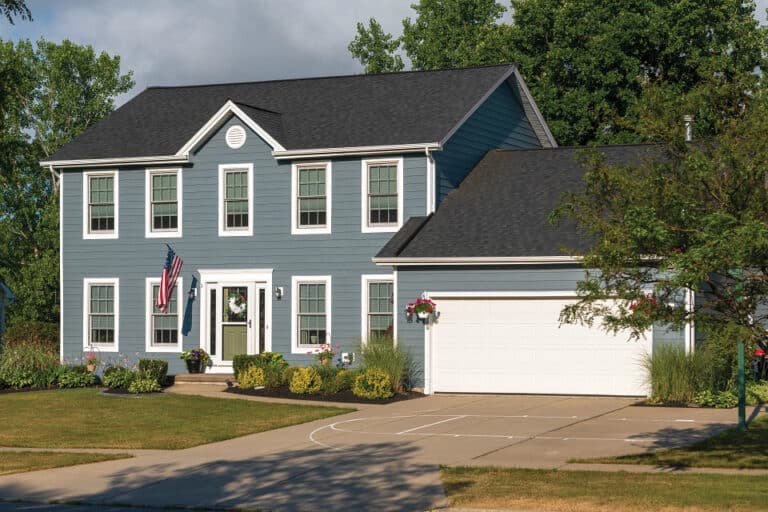
Vinyl siding is one of the most popular exterior choices for Connecticut homeowners, and for good reason. It is durable, low maintenance, and designed to handle everything the region’s climate throws at it across all four seasons. But low maintenance does not mean no maintenance.
Knowing how to maintain vinyl siding properly is what separates a home exterior improvement that looks great and performs well for thirty or more years from one that starts showing wear, fading, or moisture damage well before its time. The good news is that most of what your siding needs is simple, consistent, and does not require professional help every time. This guide walks through everything you need to know to keep your house vinyl siding in excellent condition year after year.
Why Vinyl Siding Maintenance Matters
Vinyl siding does its job quietly. It shields the wall structure beneath from rain, wind, UV exposure, and temperature swings without needing much attention in return. Most homeowners barely think about it between installations.
The problem is that when siding is neglected over time, the small issues that could have been caught early, a cracked panel, a loose section, a clogged gap near a window frame, become bigger and more expensive problems. Moisture finds its way in. Mold takes hold. Wall framing starts to deteriorate.
Regular vinyl siding maintenance keeps those pathways closed. It also preserves the curb appeal of your home, which matters whether you are planning to sell or simply want to take pride in how your property looks from the street.
How to Care for Vinyl Siding Through the Seasons
One of the best approaches to vinyl siding care is to build simple habits around each season. Connecticut’s climate gives your exterior a full range of challenges throughout the year, and a seasonal approach ensures nothing gets missed.
Spring Cleaning and Inspection
Spring is the ideal time to give your siding a thorough cleaning and inspection after the winter months.
Cleaning the siding. A simple rinse with a garden hose removes most surface dirt and winter grime. For more stubborn stains, a soft-bristle brush with a mild solution of dish soap and water works well on most vinyl surfaces. Start at the top and work downward so dirty water does not run over areas you have already cleaned.
Avoid pressure washing at high settings. Vinyl siding can handle a garden hose or a pressure washer on a low setting, but high-pressure water directed upward or into panel gaps can force moisture behind the siding, which is exactly what you are trying to prevent.
What to look for during the spring inspection. Walk the full perimeter of the home and look for:
- Panels that appear cracked, chipped, or warped
- Sections that are pulling away from the wall or from each other
- Areas where caulking around windows, doors, or vents has cracked or separated
- Any visible mold or mildew growth, particularly on shaded north-facing walls
- Gaps or openings where panels meet trim, corners, or rooflines
Catching these early in spring means addressing them before summer heat and humidity create ideal conditions for moisture problems to develop.
Summer Checks
Summer in Connecticut brings heat, humidity, and UV exposure. Vinyl siding handles all three well, but a mid-summer check is still worthwhile.
Inspect areas that receive the most direct sunlight for any signs of fading or slight warping. Some minor bowing can occur in extreme heat and is often not a structural concern, but significant or persistent warping may indicate that a panel was installed without adequate room for thermal expansion or that it is being affected by reflected heat from a nearby surface like a glass door or window.
Also check for insect activity around gaps and panel edges. Connecticut summers bring carpenter ants, wasps, and other insects that may attempt to nest in gaps between siding panels or behind sections that have pulled away from the wall.
Fall Preparation
Fall is the time to prepare your siding for winter before temperatures drop.
Clear any leaves, debris, or organic material that has accumulated along the base of the siding or in gutter channels. Organic material sitting against siding retains moisture and can contribute to mold growth over the winter months.
Check the condition of the caulking around all penetrations, including hose bibs, electrical outlets, and light fixtures that pass through the siding. Reapply caulk anywhere it has shrunk, cracked, or separated.
Inspect the connection between your siding and your best gutter installation services. Gutters that are sagging or pulling away from the fascia can direct water behind the siding above and below the roofline. Addressing gutter issues in fall protects the siding through winter.
Winter Monitoring
Heavy snow and ice create specific risks for vinyl siding in Connecticut. Never use a metal shovel or hard tool to remove snow or ice from siding. Vinyl becomes brittle in extreme cold and can crack under impact far more easily than it would in warmer temperatures. Use a soft broom or brush to clear snow from lower sections if needed.
Watch for ice dam formation along the roofline. Ice dams can force water behind fascia boards and upper siding panels, leading to moisture damage that may not become visible until spring. If you notice ice dam formation consistently in the same areas, it is worth speaking with a residential roofing contractor about ventilation and insulation solutions that address the root cause.
Vinyl Siding Repair – What You Can Handle and What You Should Not
Part of knowing how to care for vinyl siding is understanding which repairs are straightforward DIY tasks and which ones call for a professional vinyl siding contractor.
Minor Repairs Homeowners Can Handle
Small cracks or chips. A hairline crack in a panel that is not allowing moisture infiltration can often be addressed with a colour-matched vinyl siding caulk or patch. This is a temporary solution, and replacement of the panel may still be warranted over time.
Loose panels. A panel that has snapped out of position but is otherwise undamaged can often be re-engaged using a zip tool, a simple inexpensive tool available at hardware stores that slides along the bottom of a panel to re-lock it into the one below.
Surface stains. Mildew stains, rust marks from metal fasteners, and paint overspray can usually be removed with the appropriate cleaning solution and a soft brush. Always test cleaning products on a small, inconspicuous section before applying them to a visible area.
When to Call a Vinyl Siding Contractor
Some situations call for professional assessment and repair rather than a DIY approach.
Call a professional if you notice:
- Multiple panels cracked, warped, or buckling in the same area, which can indicate a moisture or structural issue behind the wall
- Visible mold growth that extends behind panels or appears in multiple locations
- Panels that are consistently coming loose despite re-engagement
- Any area where siding damage lines up with interior water stains or dampness
- Older siding showing widespread fading, brittleness, or deterioration
A professional vinyl siding inspection can determine whether individual repairs are sufficient or whether vinyl siding replacement across a section or the full home is the better long-term decision.
Vinyl Siding Inspection – What a Professional Looks For
A professional vinyl siding inspection goes deeper than a homeowner walkthrough. Contractors trained in exterior home remodeling know how to evaluate not just the surface of the siding but the systems behind it.
Wall Structure Assessment
After removing a panel or two in suspect areas, a contractor can assess the condition of the housewrap, sheathing, and framing beneath. This step is critical because moisture damage often begins behind the siding and is not visible until it has progressed significantly.
Flashing and Integration Points
Where siding meets windows, doors, rooflines, and corners are the most common entry points for water. A professional inspection evaluates flashing at all of these points to confirm it is intact, properly overlapped, and watertight.
Connection to Adjacent Systems
An experienced contractor also evaluates how the siding interacts with adjacent exterior components. This includes checking the condition of soffit and fascia, assessing gutter attachment points, reviewing caulking at all penetrations, and flagging any issues with nearby best replacement windows or window frames that may be affecting the siding’s performance.
How Siding Connects to the Rest of Your Exterior
Vinyl siding does not function in isolation. It is one component of a larger exterior system, and its performance depends partly on how well everything around it is working.
Siding and Gutters
A properly functioning seamless gutter installation channels water off the roof and away from the home without allowing it to run down the face of the siding or accumulate at the foundation. When gutters fail, either through blockage, sagging, or joint separation, the siding below the roofline often takes the damage first.
Siding and Windows
The seal between siding and window frames is one of the most critical junctions on any home exterior. Failing caulk or improper flashing at window openings is one of the most common causes of moisture intrusion behind siding. If you are noticing siding issues near windows, it is worth having the window frames and surrounding structure assessed. Many Connecticut homeowners who search for window replacement near me discover that the window frame and the adjacent siding have both been affected by the same moisture issue.
Siding and Roofing
Where the roofline meets the siding, proper flashing and a correctly installed drip edge are essential. A residential roofing contractor evaluating the lower roofline can identify whether roofing issues are contributing to siding damage and address the source rather than just the visible symptom.
Addressing all of these systems together through comprehensive home renovation services or home remodeling services is the most effective way to ensure lasting results, particularly for older Connecticut homes where multiple components may need attention at the same time.
Choosing the Right Contractor for Vinyl Siding Work in Connecticut
Whether you need vinyl siding installation near me for a full replacement or a professional inspection and targeted repairs, choosing the right contractor matters.
Look for:
- A valid Connecticut contractor license and full insurance coverage
- Documented experience with vinyl siding installation and repair
- A clear written estimate before any work begins
- References or reviews from homeowners in the Shelton, Connecticut area
- Warranty coverage on both materials and labor
- Willingness to answer questions about wall preparation, housewrap, and flashing as part of the installation process
A contractor who handles broader exterior home remodeling, including roofing, gutters, and window replacement, can also evaluate the full exterior during a siding visit and flag any interconnected issues you might not be aware of.
Why Connecticut Homeowners Choose Creative Home Improvement LLC
Creative Home Improvement LLC has been serving homeowners in Shelton, Fairfield County, New Haven County, and The Valley since 1974. With more than five decades of experience in exterior home remodeling, the team understands Connecticut’s climate and what it demands from every component of a home’s exterior.
Services include vinyl siding installation, vinyl siding inspection and repair, seamless gutter installation, residential roofing installation, and window replacement, all performed by licensed and insured professionals. Every project is backed by lifetime warranties on both product and labor.
If your siding is showing signs of wear, age, or damage, or if you simply want a professional eye on your home’s exterior before problems develop, Creative Home Improvement LLC provides the experience, transparency, and quality of work Connecticut homeowners have trusted for over fifty years.
Conclusion
Understanding how to maintain vinyl siding comes down to consistent attention across the seasons, prompt action when small issues appear, and knowing when a professional inspection or repair is the right call.
Knowing how to care for vinyl siding means your home stays protected, looks well-maintained, and avoids the kind of hidden moisture damage that turns minor issues into major repairs. The basics are not complicated. Clean it regularly, inspect it seasonally, address cracks and loose panels promptly, and keep the surrounding systems such as gutters, roofing, and windows in good working order. For Shelton, Connecticut homeowners who want professional support at any stage of that process, Creative Home Improvement LLC is ready to help.
Table of Contents
Latest Posts


Contact us
FAQs
How often should vinyl siding be cleaned?
At minimum, once a year. A thorough spring cleaning after winter is ideal, with a secondary rinse or light wash in fall before temperatures drop.
Can I pressure wash vinyl siding?
Yes, but with caution. Use a low-pressure setting and direct the spray downward at an angle. High pressure directed upward or into panel gaps can force water behind the siding.
How do I know if my vinyl siding needs to be replaced rather than repaired?
Widespread cracking, persistent buckling, interior moisture issues aligning with siding locations, and siding older than twenty-five to thirty years are all indicators that replacement may be the better investment.
Does vinyl siding need to be repainted?
No. Vinyl siding holds its colour through the material itself rather than surface paint. Fading over time is natural and normal but does not require repainting. Severely faded siding is typically addressed through panel replacement.
How long does vinyl siding last in Connecticut?
Professionally installed vinyl siding in Connecticut typically lasts thirty to forty years with proper maintenance. Regular cleaning, prompt repairs, and keeping gutters and rooflines in good condition all contribute to reaching the upper end of that range.