 Skip to content

Why Hiring a Professional Vinyl Siding Contractor in Connecticut Matters
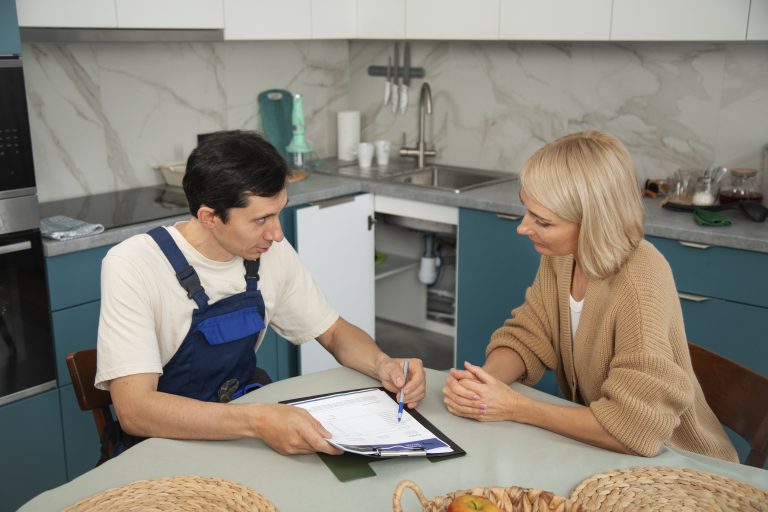
If you’ve ever seen a home with warped siding, loose panels, or gaps around the windows, you’ve seen what poor installation can do.
Vinyl siding is one of the most durable and affordable exterior materials available. It resists moisture, needs very little maintenance, and never requires painting. When installed correctly, it can last for decades.
However, even the best siding can fail if it is not installed properly.
That’s why choosing the right vinyl siding contractor is one of the most important decisions you can make when updating your home’s exterior.
This guide explains:
- What a professional siding contractor does
- Why proper installation matters
- How to choose the right contractor
- Why Connecticut homeowners have trusted Creative Home Improvement LLC since 1974
Hiring an experienced vinyl siding contractor helps improve:
- Energy efficiency
- Weather protection
- Curb appeal
- Home value
- Long-term durability
What Does a Professional Vinyl Siding Contractor Do?
A professional vinyl siding contractor does much more than install siding panels.
They remove old siding, inspect the walls, repair hidden damage, install moisture barriers, and carefully install the new siding system.
Professional installation helps provide:
- Better moisture protection
- Improved energy efficiency
- Longer siding life
- Better curb appeal
- Manufacturer warranty compliance
- Increased property value
Proper siding installation involves several important steps that protect your home for years.
What a Professional Vinyl Siding Contractor Actually Does
A qualified vinyl siding contractor follows a detailed process designed to protect your home for decades.
Removes Existing Siding
Old siding is removed to expose the wall underneath.
This allows the contractor to check for:
- Water damage
- Rot
- Mold
- Insect damage
- Structural issues
Inspects and Repairs Wall Sheathing
The wall behind your siding is inspected for hidden damage.
Common problems include:
- Aging materials
- Water leaks
- Damaged gutters
- Failed window seals
- Storm damage
- Ice dams
Any damaged wood should be repaired before installing new siding.
Installs a Weather-Resistive Barrier
Professional contractors install housewrap or another moisture barrier.
This helps:
- Keep water out
- Improve energy efficiency
- Protect wall framing
- Extend siding life
Properly Installs Starter Strips and Trim
Starter strips and corner posts must be level.
If they are not installed correctly, the entire siding system can become uneven.
Uses Proper Fastening Techniques
Vinyl siding expands and contracts as temperatures change.
Professional installers leave enough room for movement to help prevent:
- Buckling
- Cracking
- Warping
- Loose panels
Finishes Windows, Doors, and Transitions
Proper flashing and trim help prevent water from entering around:
- Windows
- Doors
- Corners
- Wall transitions
These details are essential for long-term protection.
Performs a Final Quality Inspection
Before completing the project, every area is carefully inspected.
This includes:
- Siding panels
- Trim
- Corners
- Flashing
- Fasteners
A final inspection ensures everything is installed correctly.
Why Wall Inspection Matters So Much
One of the biggest differences between an average contractor and a professional contractor is what happens after the old siding is removed.
The wall underneath often reveals hidden problems.
Common issues include:
- Moisture damage
- Mold
- Rotten wood
- Insect damage
- Improper flashing
Installing new siding over damaged walls only hides the problem.
A professional contractor repairs these issues before installing new siding.
Why Connecticut Homes Need Professional Vinyl Siding Installation
Connecticut weather can be tough on your home’s exterior.
Homes experience:
- Snow
- Ice
- Heavy rain
- Summer humidity
- Strong storms
- Freeze-thaw cycles
Professionally installed vinyl siding protects your home from moisture while maintaining its appearance year after year.
The Right Installation Technique Makes Siding Last 30 to 40 Years
One of vinyl siding’s biggest advantages is its long lifespan.
When installed correctly, quality vinyl siding can last 30 to 40 years or longer.
Professional contractors know how to install siding so it can naturally expand and contract.
Improper installation can cause:
- Buckling
- Warping
- Cracking
- Panels pulling away
These problems are preventable with proper installation.
Professional vs DIY Vinyl Siding Installation
Many homeowners think about installing siding themselves to save money.
However, professional installation usually provides better long-term value.
Factor | Professional Contractor | DIY Installation |
Warranty Coverage | Yes | No |
Wall Inspection | Included | Often Missed |
Moisture Protection | Professional Installation | Risk of Errors |
Installation Speed | Faster | Slower |
Building Code Compliance | Yes | Not Guaranteed |
Long-Term Performance | Excellent | Depends on Experience |
Home Value Impact | Positive | Varies |
For most homeowners, professional installation provides greater long-term value.
What Happens When You Hire the Wrong Contractor?
Poor installation can create expensive problems.
Common issues include:
Improper Fastening
Panels may buckle or warp.
Poor Flashing Installation
Water can leak around windows and doors.
Uneven Appearance
Crooked starter strips create uneven siding.
Moisture Problems
Skipping wall inspections allows hidden damage to continue.
Lack of Warranty Protection
Some contractors provide little or no labor warranty.
Choosing an experienced contractor helps avoid these problems.
How Much Does Vinyl Siding Installation Cost in Connecticut?
Every home is different.
Most Connecticut vinyl siding projects range from:
$12,000–$35,000+
Pricing depends on:
- Home size
- Siding style
- Insulation upgrades
- Wall condition
- Trim work
- Home design
The best way to get accurate pricing is with a professional inspection and written estimate.
How to Choose the Best Vinyl Siding Contractor
Verify Licensing and Insurance
Always ask for:
- State license information
- General liability insurance
- Workers’ compensation coverage
Look for Local Experience
Choose a contractor familiar with:
- Connecticut weather
- Local building codes
- Regional construction methods
Ask About Wall Inspections
A professional contractor should always inspect the wall after removing old siding.
If wall inspections are not mentioned, consider it a warning sign.
Request a Detailed Written Estimate
Your estimate should clearly include:
- Materials
- Labor
- Removal costs
- Repairs
- Warranty information
Avoid contractors who only provide verbal pricing.
Understand the Warranty
Before hiring a contractor, ask:
- What does the manufacturer warranty cover?
- What labor warranty is included?
- How long does the workmanship warranty last?
A reputable contractor stands behind both the products and the installation.
Benefits of Hiring a Professional Vinyl Siding Contractor
Professional vinyl siding installation provides many long-term benefits.
Low Maintenance
No painting, scraping, or staining required.
Moisture Resistance
Vinyl siding will not absorb water or rot like wood.
Energy Efficiency
Insulated siding helps improve your home’s energy performance.
Design Flexibility
Choose from many colors, textures, and styles.
Long Lifespan
Professionally installed siding can last for decades.
Excellent Value
Vinyl siding offers an excellent balance of affordability, durability, and curb appeal.
Vinyl Siding Works Best as Part of a Complete Exterior System
Your home’s exterior works as one complete system.
It includes:
- Roofing
- Windows
- Gutters
- Flashing
- Drainage
When one part fails, it can affect the others.
For example:
- Faulty gutters can send water behind siding.
- Old windows can allow moisture inside.
- Roof leaks can damage wall framing.
Upgrading these systems together often delivers the best results.
Why Homeowners Choose Creative Home Improvement LLC
For more than 50 years, Creative Home Improvement LLC has helped Connecticut homeowners protect and improve their homes.
Homeowners choose us because we provide:
- Over 50 years of experience
- Thorough home inspections
- Honest written estimates
- Quality workmanship
- Wall inspection and repairs
- Premium siding products
- Lifetime warranties
- Friendly customer service
We proudly serve homeowners throughout:
- Fairfield County
- New Haven County
- Shelton
- Bridgeport
- Orange
- And surrounding communities
Ready to Upgrade Your Home’s Exterior?
Choosing the right vinyl siding contractor can make the difference between siding that lasts for decades and siding that develops problems after only a few years.
Professional installation protects your home, improves energy efficiency, and helps maximize your investment.
If you’re planning a vinyl siding project in Fairfield County, New Haven County, or The Valley, Creative Home Improvement LLC is ready to help.
Contact us today for a free in-home inspection and estimate. Discover how professionally installed vinyl siding can improve your home’s appearance, protection, energy efficiency, and long-term value.

FAQs
What does a vinyl siding contractor do?
A vinyl siding contractor removes old siding, inspects the walls, repairs hidden damage, installs moisture barriers, and installs new siding, trim, and flashing to protect your home.
How do I know if a vinyl siding contractor is qualified?
Choose a contractor who is licensed and insured, has years of local experience, positive customer reviews, written estimates, and offers both manufacturer and workmanship warranties.
Does old siding need to be removed before installing new vinyl siding?
In most cases, yes. Removing old siding allows the contractor to inspect the wall for moisture damage, rot, mold, or structural issues before installing the new siding.
How long does vinyl siding last?
Quality vinyl siding can last 30 to 40 years or more when it is professionally installed and properly maintained.
Can I replace my windows and siding at the same time?
Yes. Replacing your windows and siding together can improve energy efficiency, create a more consistent appearance, reduce labor costs, and better protect your home’s exterior.