 Skip to content

What Is Vinyl Siding Made Of? Materials, Benefits & Durability
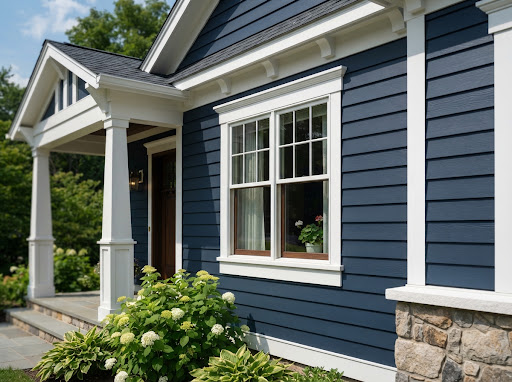
Your side is in your sight each day. However, have you ever asked yourself: What is vinyl siding made of? Most people haven’t. They simply know that it doesn’t require paint.
Let’s give it the short version. It’s a plastic that has some nice additions thrown in. Here in this blog you will discover the primary ingredients, the way factories influence it and the advantages and disadvantages of it. You’ll also learn about its durability and whether it’s a good investment in Connecticut.
What Vinyl Siding is Made Of?
Vinyl siding is made from PVC, polyvinyl chloride. A hard and durable plastic. The PVC is blended with some other components, extruded into long panels, colored and textured. The outcome appears to be wood boards, shingles or shakes. But it doesn’t rot and never requires painting.
The answer is very simple. It consists of a lot of plastic, and a few assistants which provides colour, strength and sun protection.
Key Materials Used in Vinyl Siding
Let’s take a closer look at the vinyl siding composition. Each maker has their own recipe. However, the most important components of most vinyl siding materials are:
- Base: PVC resin. It is a white powder and it’s the bulk of each of the panels.
- Titanium dioxide: A white pigment to prevent fading and to help block out the sun.
- Calcium Carbonate: A filler, such as a fine powder of limestone. It gives thickness to the panel.
- Impact modifiers: Mini-sized additives that prevent panels from cracking when hit.
- Heat stabilizers: They stabilize the plastic during the time it is hot in the factory.
- Color pigments and lubricants: Pigments are used to set the colour to each panel, whereas lubricants help the panel slide. Oil and lubricants are used to promote smooth flow of the mix.
These amounts vary depending on the product. That’s why two panels can be the same, and yet have different effects when installed onto a wall.
What is the Production of Vinyl Siding?
Extrusion is the process which is carried out in factories. Think of squeezing toothpaste out of a tube. Here are the steps:
- The workers mix the PVC powder with other ingredients.
- The mixture swells and becomes soft and sticky.
- It is pressed through a metal die by machines. The shape of the panel is provided by the die.
- In this step, some makers apply a harder coating to the top.
- The texture is created by applying rollers to the wood grain.
- The panel is cooled and cut to length with a saw.
- Another machine is used to punch nail slots along the top edge.
Unlike paint, PVC siding does not peel due to the color being mixed in.
Are Vinyl Siding made from plastic?
Yes, it is. So, in simple terms, what’s vinyl siding composed of? Plastic. PVC is widely used and one of the most common plastics in the world. It’s also used in pipes and window frames.
The vinyl siding is made from hard PVC, not soft bendable PVC. That’s why PVC siding is stiff against your wall. This does not sound like plastic, so don’t be afraid. This plastic is a material that is designed to withstand outdoor elements like rain, snow and sun for many years.
The pros and cons of PVC Vinyl Siding
Knowing what vinyl siding is made from will help you understand the good and bad sides.
Benefits
- Low maintenance: Usually has to be rinsed once a year.
- No painting: The color is blended in.
- No rot: water will not absorb into the material.
- A variety of options: There are numerous colors, textures, and styles to choose from.
- Easy installation: It is typically installed at a lower cost than wood or fiber cement.
- Light weight: Easily carried by crews.
Drawbacks
- It can crack because of hard blows, particularly in cold, dry weather.
- It can be distorted by intense heat, such as a grill or the sun.
- Colour can fade over time.
- Recycling is available, but not extensive.
- Do not patch damaged panels, replace them.
Interested in comparing it with other solutions? Let’s take a look at some of the differences between wood vs vinyl siding. House vinyl siding is also great for those who don’t particularly like to repaint their homes.
How Long Does Vinyl Siding Last?
Many people enjoy a few decades from it. A typical span of time is 20–40 years, given proper care. However, this is a guide not a guarantee. The material vinyl siding is composed of is important. So do the weather and the installation and the care you take of it.
Sun is the largest slow test, so test out how vinyl siding gets faded by time. A wash once a year is also beneficial.
Plus, don’t leave out the pieces surrounding it. Leaky roof or old window frames can reduce the siding’s life. A residential roofing contractor can inspect the periphery of the roof. The best replacement windows also repel water from the frames.
Is Vinyl Siding the Right Siding for Connecticut Homes?
Often, yes. Connecticut experiences snowy winters, rainy springs and humid summers. Vinyl is not water absorbent, making it suitable for wet weather. Panels can also be moved due to temperature fluctuations. That’s a big plus.
Understanding the material that vinyl siding is composed of also enables you to make a judgment concerning how it will deal with our weather. There are a few points to be noted:
- In the winter be careful with ladders and tools, panels may become brittle from the cold temperatures.
- Sometimes snow slides down a roof and can strike siding. Gutters aid here and seamless gutter installation prevents water from being poured off the side walls.
- The best results are achieved when the siding is made of good vinyl siding materials and is installed with care.
When homeowners are installing new siding, they often look for window replacement near me. That’s smart. Combined use of both makes the trim and walls match up.
Deciding When to Hire Expert Vinyl Siding Installation Services
Now you are aware of what vinyl siding is made of. Next is the install. But even with a good install, great siding is still “no go”. Space is required for panels to move and flashing should exclude water.
Consider hiring a professional if you see signs of:
- Panels crack, warp or become loose.
- You see rot or soft wood under old siding
- Your siding appears grey or white in color
- You want a new siding to go along with a larger project
A quality vinyl siding company thoroughly inspects the walls before working, explains the plan, and takes care of the trim and flashing. When looking for vinyl siding installation near me, you can check with each company to view their finished homes in the area. A good reference to get them started is the professional vinyl siding installation in Connecticut.
A Local Example of Siding Experience.
Creative Home Improvement LLC is a family owned business in Shelton. It’s been operating since 1974 and is licensed by the CT 562280. It says that it’s insured. The team covers Fairfield, New Haven and The Valley. It provides services like siding, roofing, windows, gutters and other home renovation. You can call +1 (203) 929-5737.
What Homeowners Say
Reviews reveal the way a company looks after your home. Creative Home Improvement LLC has a 5.0 rating from 43 Google reviews on its website. The team has treated him fairly, provided him with a timeline and a siding color of his liking, a Trumbull homeowner said. Someone else reported that they were happy to not have to deal with any other companies because the owner and his father responded to all their questions. One yelp reviewer called it a “family-friendly crew” that is “respectful.
Conclusion: Plastic With a Purpose
So, what is vinyl siding? It is made of PVC plastic with some clever additives… sun protection, strength and color. It is difficult, easy to maintain and well suited for lots of Connecticut properties.
For an exterior home improvement job, a Connecticut homeowner can rely on Creative Home Improvement LLC since 1974 when Connecticut License No. 562280. Call +1 (203) 929-5737 to ask your siding questions.
Table of Contents
Latest Posts


Contact us
FAQs
Is vinyl siding bad for the environment?
PVC is derived from oil, gas and salt and is very difficult to recycle. The good news is that it will last a long time and does not require painting. Consider both sides, and check with makers on recycled content or take-back programs.
What is the vinyl siding's capstock?
A harder top layer fused on a bottom layer. Cap is facing the sun and weather, and the base provides weight and depth. Not all panels have it, so request the person installing it to tell you which layers your siding is based on.
Why is there a slot for nails in vinyl panels?
Slots allow panels to slide slightly due to changes in temperature. The nails fit in the center of the slot and snap in, but not tight. Waves and popping may result from tight nails.
Does vinyl siding repel water?
Panels repel water, rather than absorbing it. But they aren’t a sealed layer. They can still let water in and house wrap, flashing, and trim work all play a big part.
Does thicker vinyl siding with increased performance equate with quality?
Thicker panels tend to be stiffer, and can withstand waves and dents better. However, there is more to it than thickness. Consider the entire product, encompassing layers, color testing, and warranty.
What's the difference between vinyl siding and aluminum siding?
Tap it. Vinyl is slightly flexible and sounds like plastic. Aluminum feels thin, metallic and is dentable. These will not stick to a magnet.
What causes vinyl siding to wave?
Waves may be caused by nails that are too tight, wavy walls or heat. Before replacing panels, a pro can determine their cause.
Will Termites Feed On Vinyl Siding?
Vinyl is non-combustible to termites. They may live hidden behind it and gnaw on the wood in the walls and siding may mask the indications. Continue pest monitoring as recommended by your pest professional.
Is it possible for me to install vinyl siding by myself?
Some do but it requires skill. There should be clearance for panels to move and water must be shed by flasher. Many choose a pro. Companies that offer home remodeling services can also repair any concealed damage.
Does vinyl siding have an R-value?
Simple vinyl will do little to add to the design. Insulated vinyl does have some because it is sheathed with foam back. Resources for comfort are wall insulation, air sealing and house wrap.